
[[{“value”:”

By: Timothy Scalona
This was originally published in The Boston Globe on July 21, 2026.
I had just finished middle school in 2012 when a sheriff came to my front door carrying an eviction notice — an enveloped piece of paper that threatened to force us out and trash the decades worth of memories that filled our home. Facing an unaffordable housing market and few resources, my six younger siblings, my parents, and I were thrown into hotels, motels, and shelters, turning one moment of hardship into years of homelessness.
So, in between track meets and Spanish classes, I was stuck studying for AP exams from the bathroom floor of our hotel room and wondering if the future had space in it for me, too.
Since then, 14 years have passed, and I have changed — but Massachusetts has not.
I am now a lawyer at Greater Boston Legal Services, defending tenants facing eviction in the courthouse, largely from nonpayment of rent or from rent increases imposed by private equity-backed real estate investors. I also do volunteer work to organize tenants to fight for a world where housing is codified through policy as a human right.
Massachusetts is one of the most unaffordable places in the country. We are in the throes of a housing and eviction crisis that is placing countless individuals and families at risk of displacement. And for many young people like myself who spend huge swaths of our income on rent, homeownership is nothing more than a pipe dream.
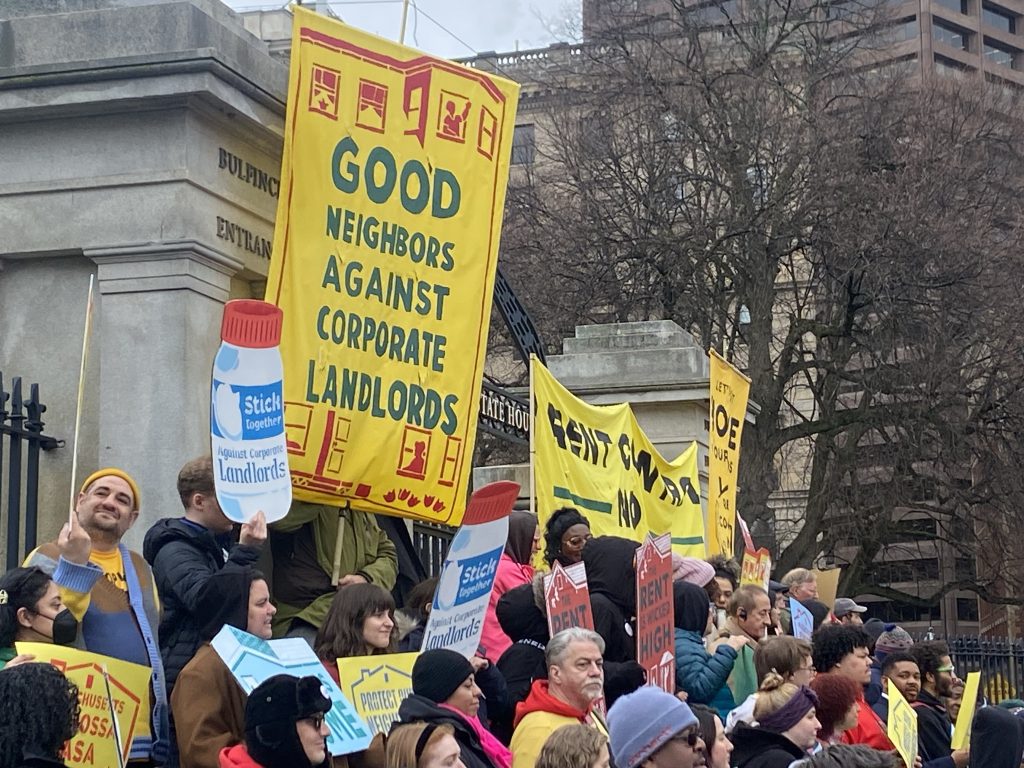
Last year, the Keep Massachusetts Home coalition, which is supported by nonprofits, unions, and community organizations, kickstarted a campaign to change this broken system. It sought to put a measure on the November 2026 ballot to reverse the statewide ban on rent control and limit annual rent increases to 5 percent or to the consumer price index, whichever was lower. Rent control has been banned in Massachusetts since a 1994 referendum that narrowly passed, 51-49, in an election that was dominated heavily by real estate industry spending.
Amid skyrocketing rent prices, the ballot question’s restoration of rent control would have served as one tool of many to begin addressing the affordability crisis. After having collected more than 157,000 signatures, the Homes for All coalitionwas ready to send the question of rent control to the voters. That was until the Massachusetts Supreme Judicial Court struck down the ballot question on constitutional grounds, handing a victory to corporate landlords and out-of-state private equity real estate corporations. This decision was a significant blow to the voices of the 157,000 voters who signed in support of the ballot question, and for the organizers and advocates who spent months collecting signatures.
Yet, while the ballot question is dead this year, rent control should not be. The Legislature should pass some form of rent control, an initiative that is popular with almost 70 percent of voters, according to recent polling.
The reason that the ballot initiative was necessary in the first place was because the Legislature has failed year after year to restore rent control, despite pressure from advocates and tenants. And the 1994 referendum prohibits cities and towns from acting on their own.
Before the end of the legislative session on July 31, the Legislature should pass a rent stabilization measure before them. This bill would end the statewide ban on rent control and allow localities to choose whether to enact rent stabilization and just-cause eviction protections. While not as strong as the proposed ballot question, the bill would start to stem the bleeding from a ravaging housing crisis — and offer renters relief from no-fault evictions.
While other high schoolers dreamt of college or adulthood, I was dreaming of having a home. Some of my oldest memories are the cramped walls of motel rooms and the gut-wrenching fear that we would have nowhere to go.
I have seen this same terror in the faces of tenants in court. I have heard these same stories from folks whom I speak to on the street or at their doors. The housing crisis is brutalizing our communities, and the Legislature must act now to stop it.
Timothy Scalona is a staff attorney in the housing unit at Greater Boston Legal Services.
The post This year’s ballot question is dead. Rent control should not be. appeared first on Working Mass.
“}]]